

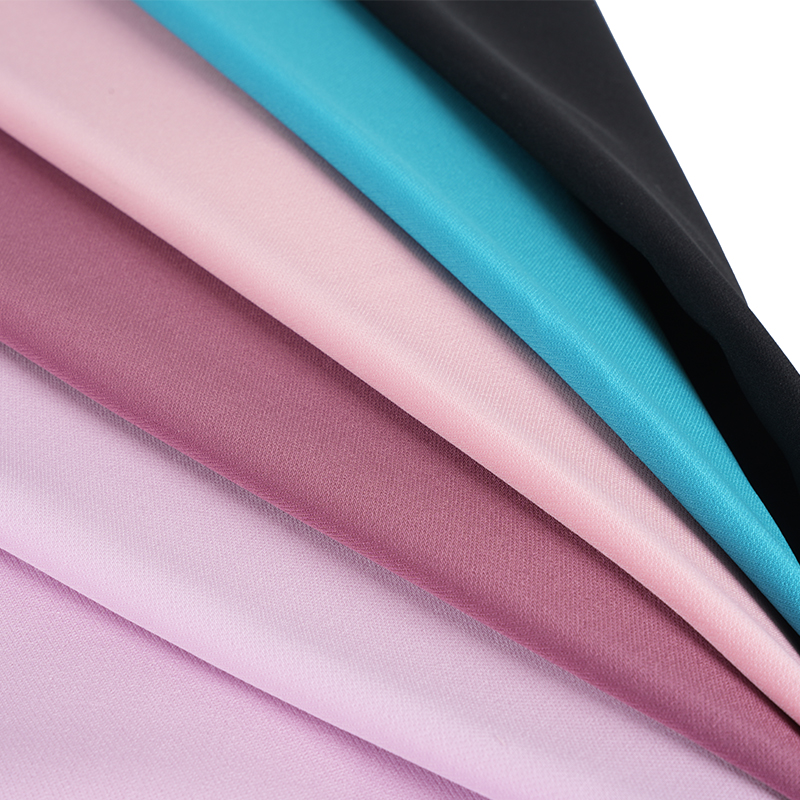

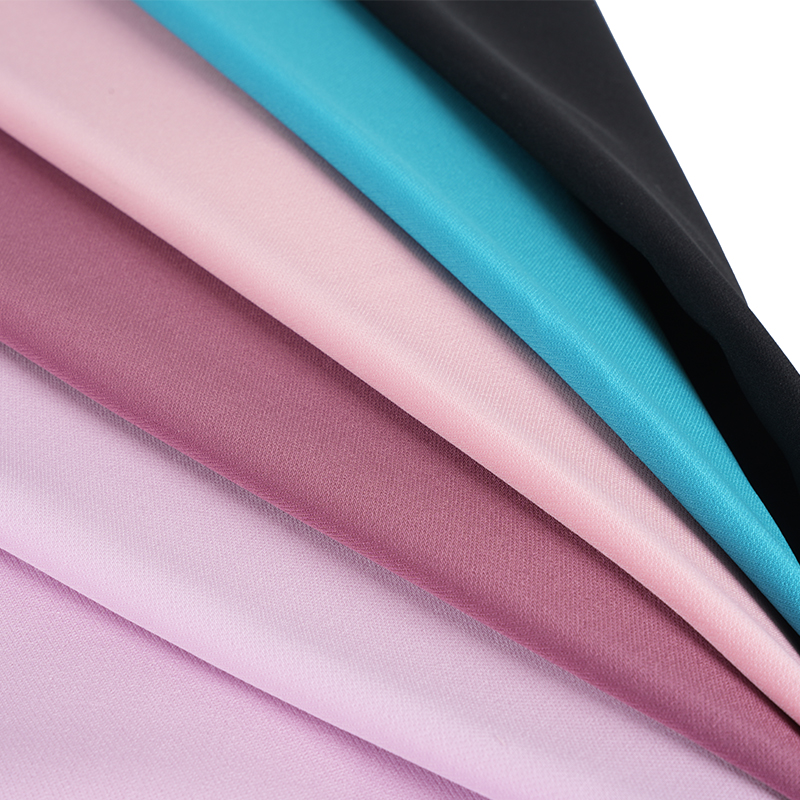
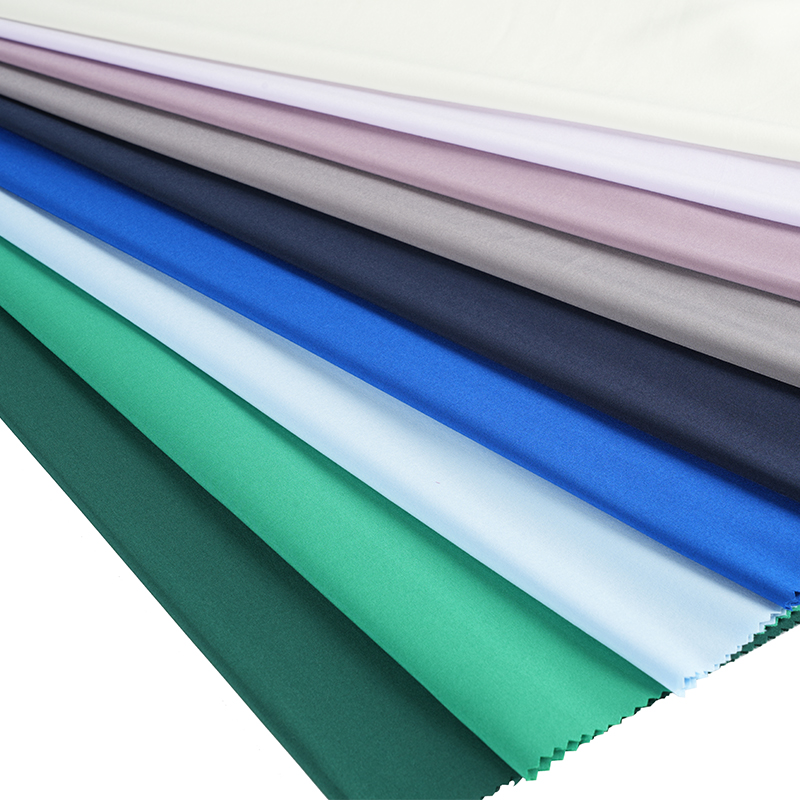
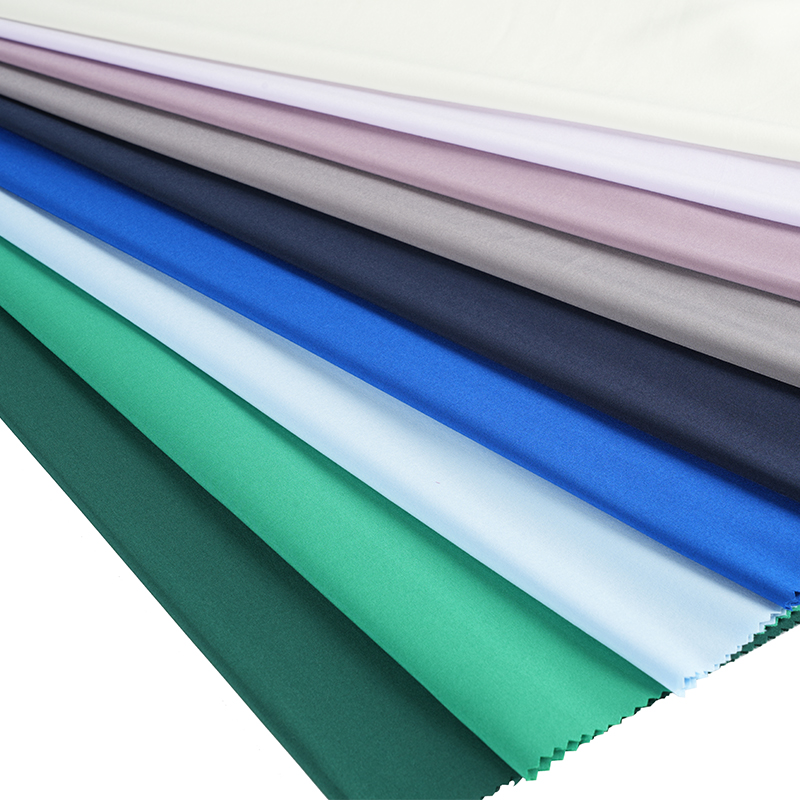
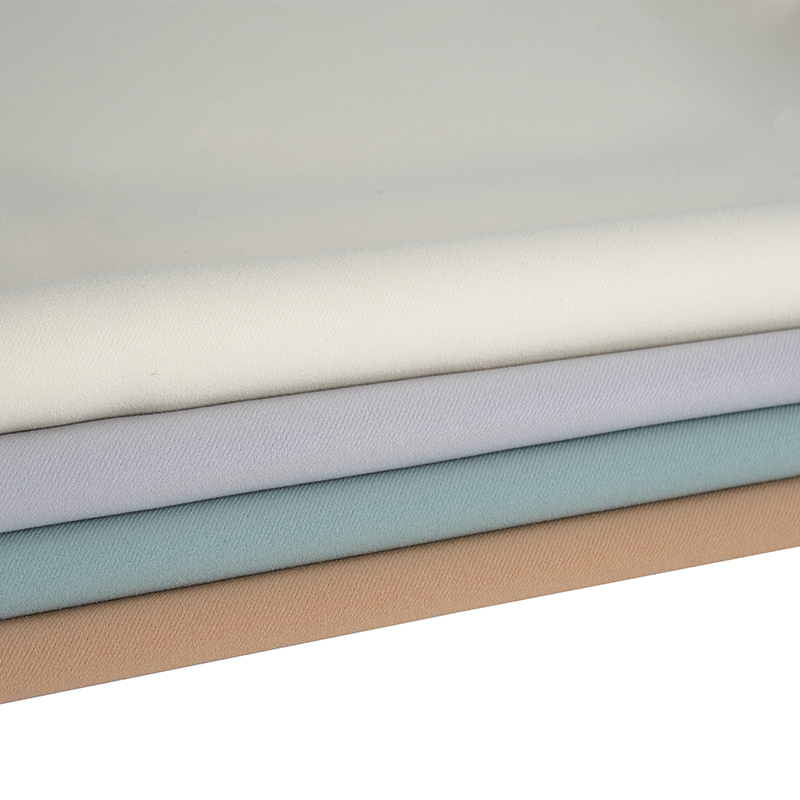
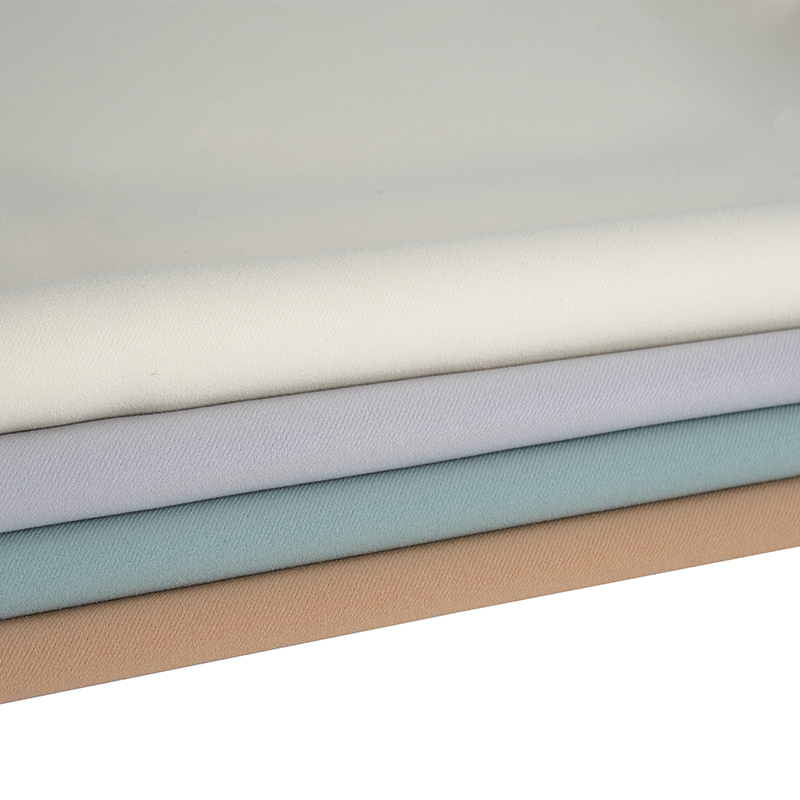
Yongjun Textile, grundlagt i 2003 og beliggende i China Light Textile City - et af Asiens store lette tekstilmarkeder - støder op til Hangzhou Xiaoshan International Airport, med bekvem transport og veludviklet kommunikation. Virksomheden har uafhængige import- og eksportrettigheder og har specialiseret sig i at producere og sælge en bred vifte af vævede og strikkede foringer, herunder jacquard, almindelig, kipert, satin og andre farvede foringer, såvel som foringer, der er behandlet gennem forskellige teknikker som garnfarvning, prægning, glasering, trykning, kompositbelægning, varmstempling, varmstempling. De vigtigste materialer, der anvendes i produkterne er polyester, polyester-bomuld, bomuld, rayon, nylon, acetat osv. Siden etableringen har virksomheden konsekvent holdt fast i forretningsfilosofien om "at stræbe efter høje standarder (kontinuerlig forbedring og forfining), nøjagtighed (klar og præcis), hastighed (hurtigt opfylder kundernes behov) og innovation med høj kvalitet, og innovation med høj kvalitet, og innovation. og tjenester.
Virksomheden har et innovativt team af høj kvalitet. Teammedlemmerne kommer fra forskellige faglige baggrunde og har rig brancheerfaring og dygtige tekniske kompetencer. De samarbejder og gør fremskridt sammen og tilfører en lind strøm af kraft i virksomhedens udvikling.
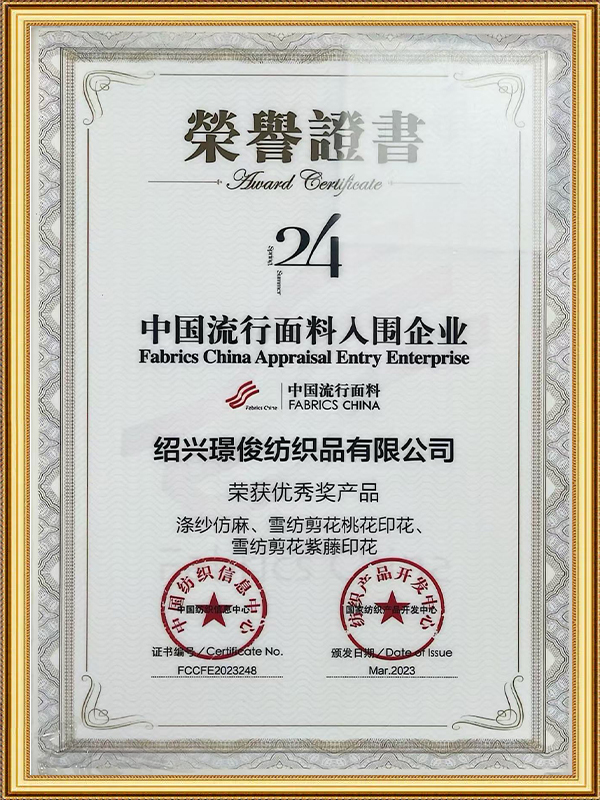
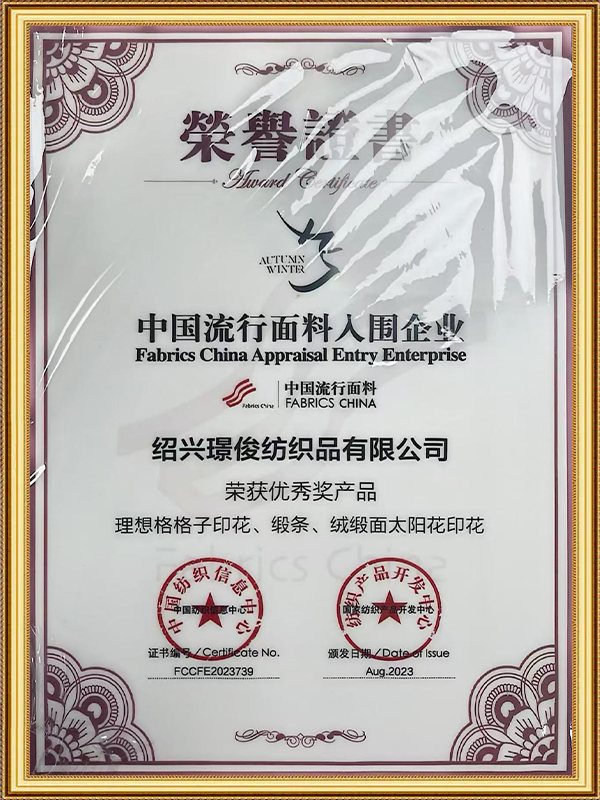
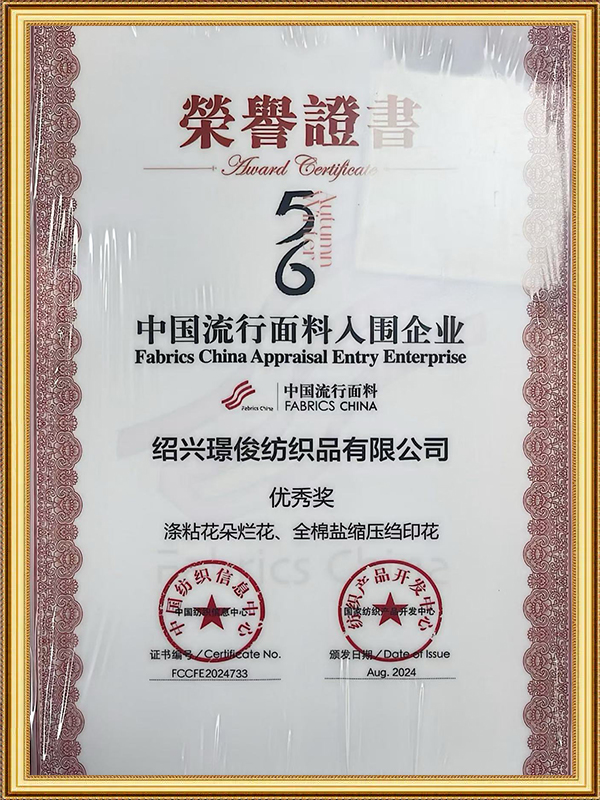
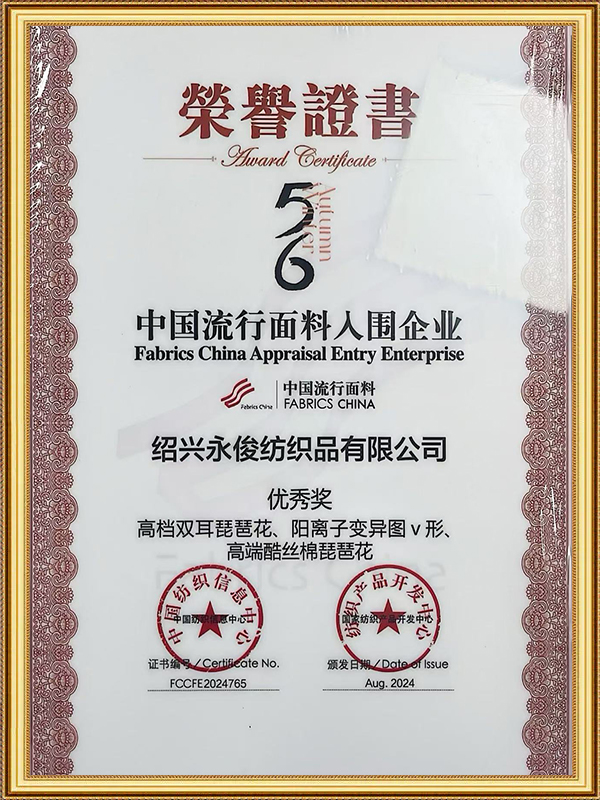
Med hensyn til teknologisk forskning og udvikling har Yongjun Textile investeret mange ressourcer og forfølger konstant innovation og gennembrud. Virksomheden har avancerede R&D-faciliteter og pålidelige R&D-processer, som hurtigt kan reagere på markedets efterspørgsel og lancere konkurrencedygtige produkter. På nuværende tidspunkt har virksomheden opnået adskillige patenter og tekniske certificeringer, og dets tekniske niveau er i front i branchen.
Virksomheden opererer professionelt med produktion og udvikling af foringer og damestoffer, der etablerer forskellige kvalitetsstandarder for at imødekomme kundernes behov. Mærket "Yongjun" blev registreret i 2006, og mærkerne "Jingjun" og "Yuedu" blev registreret i 2018. Virksomheden følger med kundernes behov og markedstendenser for forskning og udvikling med fokus på ordrebaseret produktion. Ved at integrere handel og produktion gennem garn- og gråt klædeaktiviteter sikrer virksomheden, at dens forsyningskapacitet ikke er begrænset.
Med hensyn til kvalitetsstyring har Yongjun Textile altid overholdt strenge standarder og etableret et omfattende kvalitetsstyringssystem. Fra indkøb af råvarer til produktion og forarbejdning, til produkttest og eftersalgsservice, er hvert led strengt kontrolleret for at sikre stabiliteten og pålideligheden af produktkvaliteten.
Ud over at opnå bemærkelsesværdige resultater på hjemmemarkedet, har produkterne spredt sig til over 60 lande og regioner verden over, herunder USA, EU, Storbritannien, Østeuropa (Rusland, Hviderusland, Polen, Ukraine, Kasakhstan, Kirgisistan, Tadsjikistan osv.), Canada, Sydamerika (Brasilien, Bolivien, Afrika, Sydafrika, Colombia, Colombia, Argentina, Chile, Mexico, Nordafrika, Panama, Argentina, Chile, etc.). (Egypten, Tunesien, Marokko osv.), Mellemøsten (Saudi-Arabien, UAE, Iran, Libanon, Israel osv.), Sydøstasien (Thailand, Malaysia, Indonesien, Singapore, Vietnam osv.) og Asien (Indien, Nepal, Japan, Sydkorea osv.). Der er etableret et stærkt brandimage på internationale markeder.
Som en socialt ansvarlig virksomhed baserer vi vores dømmekraft på altruisme, hvor vi altid stræber efter alle medarbejderes materielle og åndelige velbefindende og bidrager til samfundets udvikling.
I brandudviklingsplanen for de næste 3-5 år vil "Yongjun Lining" forbedre kvaliteten af high-end produkter, opfylde forbrugernes funktionelle behov, øge brandbevidstheden og udvikle flere internationale kunder. "Jingjun Lady Fabrics" vil hurtigt og præcist udvikle nye produkter for at opfylde kravene fra indenlandske og udenlandske mærker, fremskynde leveringen på e-handelsmarkedet, forbedre produktkvaliteten og mærkegenkendelsen og udvikle internationale kunder. "Yuedu" tørklæder vil styrke design og udvikling i løbet af de næste tre år for at understøtte tøjkoordinering. Derudover vil virksomheden øge læringsindsatsen for R&D og salgsteams inden for tekstilprofessionalitet, forbedre niveauet for digital ledelse og anvende teknologiske ledelsesværktøjer. I 2024 planlægger virksomheden at etablere en produktionsbase i en anden provins med den første fase af produktion af vævning, trykning og farvning og støtte udvikling af nye produkter gennem omfattende test. Virksomheden er forpligtet til at løse tøjproblemer for forbrugerne, producere produkter af høj kvalitet til rimelige priser, fremme markedet mod sundhed og styrke kinesiske virksomheders uafhængige innovationsevner.
Virksomheden har et innovativt team af høj kvalitet. Teammedlemmerne kommer fra forskellige faglige baggrunde og har rig brancheerfaring og dygtige tekniske kompetencer. De samarbejder og gør fremskridt sammen og tilfører en lind strøm af kraft i virksomhedens udvikling.
Med hensyn til teknologisk forskning og udvikling har Yongjun Textile investeret mange ressourcer og forfølger konstant innovation og gennembrud. Virksomheden har avancerede R&D-faciliteter og pålidelige R&D-processer, som hurtigt kan reagere på markedets efterspørgsel og lancere konkurrencedygtige produkter. På nuværende tidspunkt har virksomheden opnået adskillige patenter og tekniske certificeringer, og dets tekniske niveau er i front i branchen.
Virksomheden opererer professionelt med produktion og udvikling af foringer og damestoffer, der etablerer forskellige kvalitetsstandarder for at imødekomme kundernes behov. Mærket "Yongjun" blev registreret i 2006, og mærkerne "Jingjun" og "Yuedu" blev registreret i 2018. Virksomheden følger med kundernes behov og markedstendenser for forskning og udvikling med fokus på ordrebaseret produktion. Ved at integrere handel og produktion gennem garn- og gråt klædeaktiviteter sikrer virksomheden, at dens forsyningskapacitet ikke er begrænset.
Med hensyn til kvalitetsstyring har Yongjun Textile altid overholdt strenge standarder og etableret et omfattende kvalitetsstyringssystem. Fra indkøb af råvarer til produktion og forarbejdning, til produkttest og eftersalgsservice, er hvert led strengt kontrolleret for at sikre stabiliteten og pålideligheden af produktkvaliteten.
Ud over at opnå bemærkelsesværdige resultater på hjemmemarkedet, har produkterne spredt sig til over 60 lande og regioner verden over, herunder USA, EU, Storbritannien, Østeuropa (Rusland, Hviderusland, Polen, Ukraine, Kasakhstan, Kirgisistan, Tadsjikistan osv.), Canada, Sydamerika (Brasilien, Bolivien, Afrika, Sydafrika, Colombia, Colombia, Argentina, Chile, Mexico, Nordafrika, Panama, Argentina, Chile, etc.). (Egypten, Tunesien, Marokko osv.), Mellemøsten (Saudi-Arabien, UAE, Iran, Libanon, Israel osv.), Sydøstasien (Thailand, Malaysia, Indonesien, Singapore, Vietnam osv.) og Asien (Indien, Nepal, Japan, Sydkorea osv.). Der er etableret et stærkt brandimage på internationale markeder.
Som en socialt ansvarlig virksomhed baserer vi vores dømmekraft på altruisme, hvor vi altid stræber efter alle medarbejderes materielle og åndelige velbefindende og bidrager til samfundets udvikling.
I brandudviklingsplanen for de næste 3-5 år vil "Yongjun Lining" forbedre kvaliteten af high-end produkter, opfylde forbrugernes funktionelle behov, øge brandbevidstheden og udvikle flere internationale kunder. "Jingjun Lady Fabrics" vil hurtigt og præcist udvikle nye produkter for at opfylde kravene fra indenlandske og udenlandske mærker, fremskynde leveringen på e-handelsmarkedet, forbedre produktkvaliteten og mærkegenkendelsen og udvikle internationale kunder. "Yuedu" tørklæder vil styrke design og udvikling i løbet af de næste tre år for at understøtte tøjkoordinering. Derudover vil virksomheden øge læringsindsatsen for R&D og salgsteams inden for tekstilprofessionalitet, forbedre niveauet for digital ledelse og anvende teknologiske ledelsesværktøjer. I 2024 planlægger virksomheden at etablere en produktionsbase i en anden provins med den første fase af produktion af vævning, trykning og farvning og støtte udvikling af nye produkter gennem omfattende test. Virksomheden er forpligtet til at løse tøjproblemer for forbrugerne, producere produkter af høj kvalitet til rimelige priser, fremme markedet mod sundhed og styrke kinesiske virksomheders uafhængige innovationsevner.

 +86-81163100 / +86-13957571090
 Værelse B12148, Wanguo Center, nr. 1388, Jinkeqiao Avenue, Keqiao, Shaoxing, Zhejiang, Kina